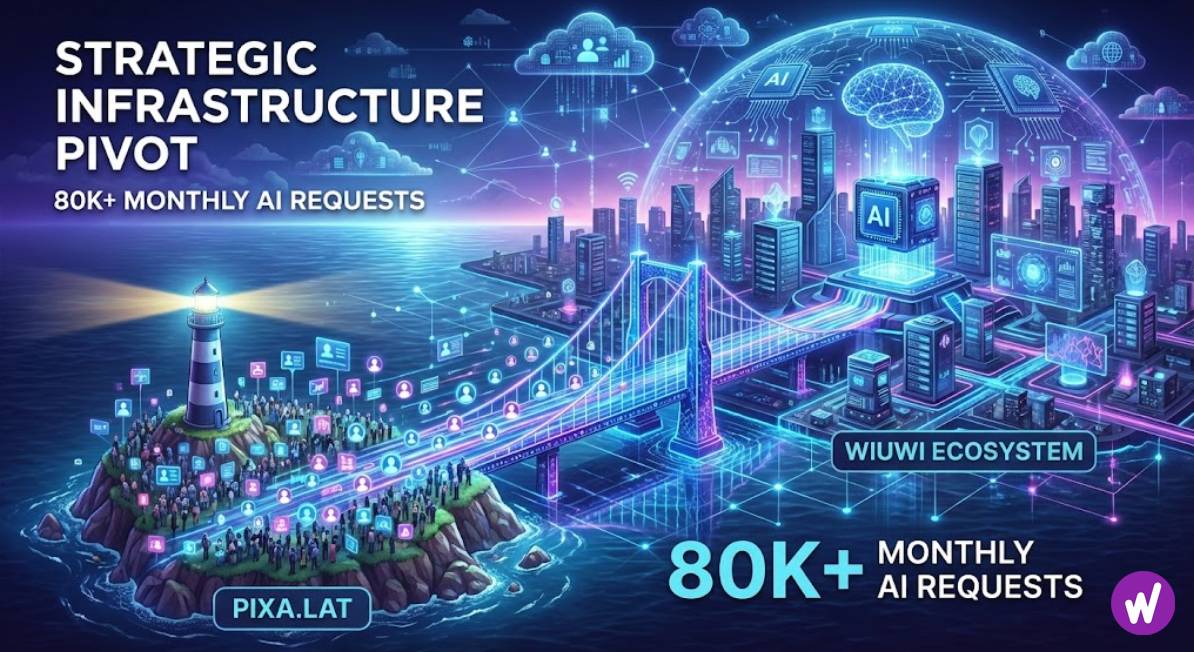
I built an AI image generator as a weekend experiment.
Within 60 days, it was serving 80,000+ monthly requests globally — with zero marketing spend.
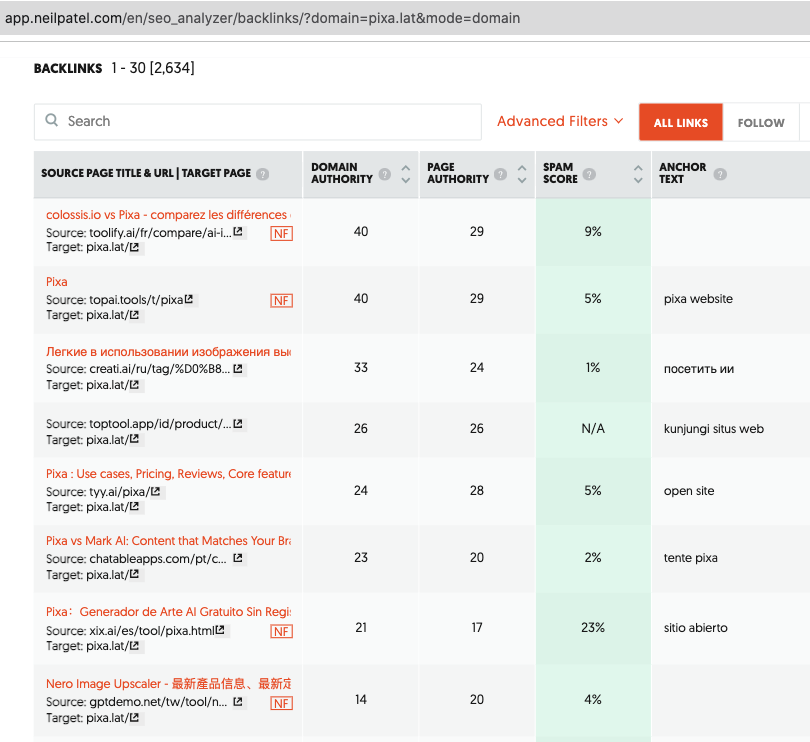
The traffic logs were exploding. The organic backlinks were pouring in from major AI directories. It was a classic “indie hacker” success story.
That’s when I made a decision most indie builders avoid: I shut it down — at its peak organic momentum. There was no guarantee the traffic would follow the migration.
Here is why I killed a viral domain to execute a strategic infrastructure pivot.
The “Silent Killer” of AI Products: Hidden Costs
At that scale (80k requests/month), naive architecture decisions can silently burn thousands of dollars. At global internet scale, even milliseconds and minor failure rates compound into massive user experience losses.
Most engineers immediately think of scaling up (bigger servers, H100 clusters). I thought about scaling smart.
I realized I was running two separate entities: Wiuwi (my main lab) and Pixa (the viral tool). While Pixa was successful, it was isolated.
The Strategic Pivot: Compounding Infrastructure
Reid Hoffman once said, “If you are not embarrassed by the first version of your product, you’ve launched too late.” Pixa was my version 1.0.
I made the executive decision to migrate the entire engine into Wiuwi.com.
Why kill a winning domain? Because fragmentation kills long-term leverage.
I don’t build standalone tools. I build compounding infrastructure. Instead of splitting my authority across small islands, I chose ecosystem strength over short-term vanity wins. Now, every viral request fuels the main Wiuwi Core.
The Engineering Challenge: Designing for Failure
Now, let’s talk tech. How do you handle high concurrency without breaking the bank?
For Wiuwi Vision (formerly Pixa), I architected a “Hybrid API Orchestration” layer using PHP and Python.
Here is the secret sauce: Resilience over Raw Power.
I don’t rely on a single AI provider. If you rely on one API, you are at the mercy of their downtime. Instead, I built a Smart Fallback Mechanism directly into the controller.
The difference between junior and senior engineering is simple: Juniors optimize for success scenarios; seniors architect for failure scenarios.
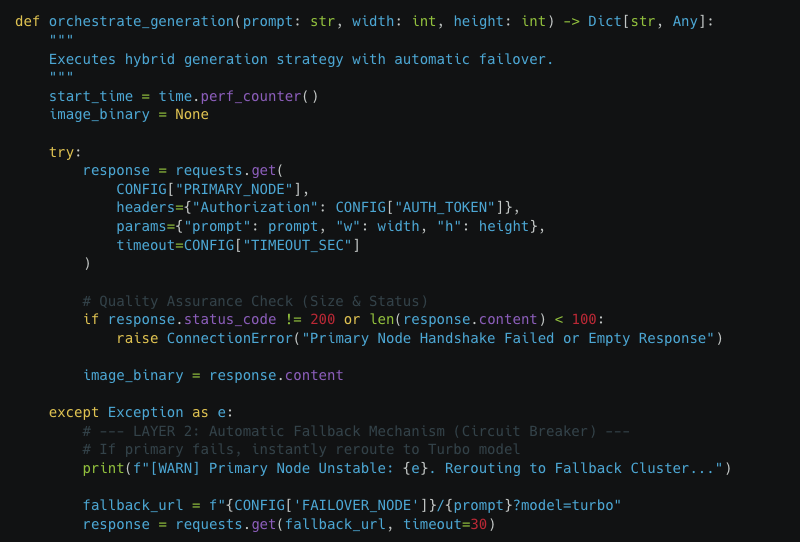
My Failure-Proof Workflow:
-
Primary Route: Attempt high-fidelity generation (Flux Model) via Pollinations API.
-
Latency Check: If response > 500ms or returns 503 (High Traffic), intercept instantly.
-
Automatic Reroute: Seamlessly switch to Turbo models or secondary nodes.
High availability is not about preventing failure. It is about designing systems that degrade gracefully when failure is inevitable.
The user never sees an error message. They just see an image.
The Result: From Tool to Ecosystem
See the difference between a standalone viral tool and an integrated ecosystem product:
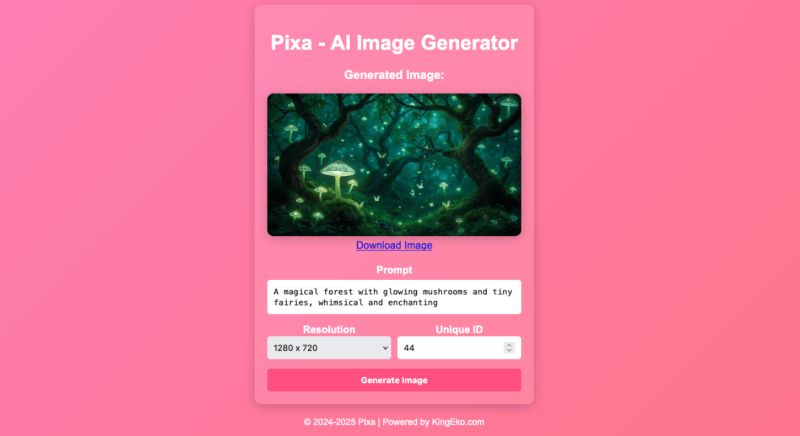
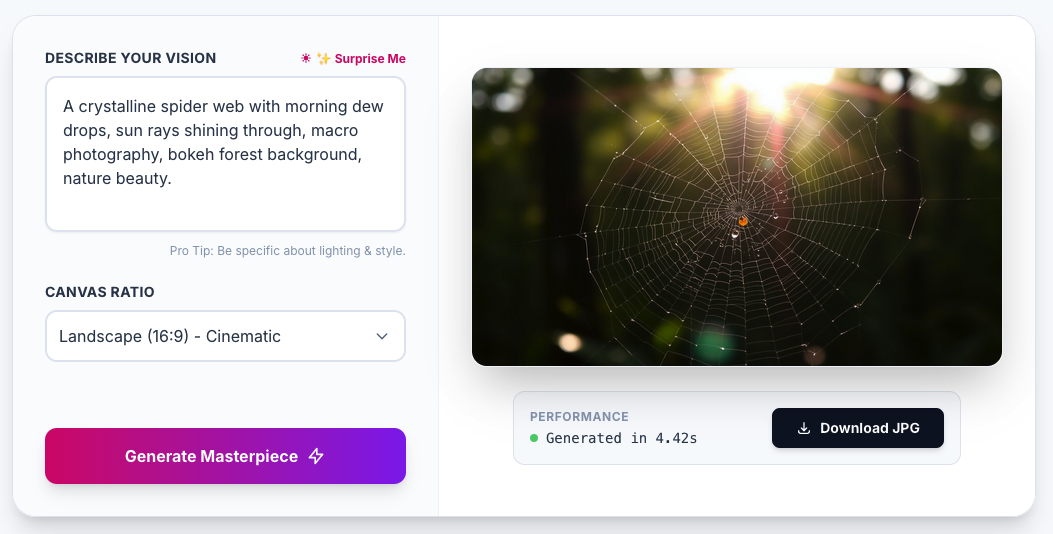
Today, Pixa lives on as Wiuwi Vision — not just as a tool, but as a foundation layer for future AI-driven products.
It is faster. It is integrated. And it serves as a live demonstration of my ability to build High-Availability (HA) systems on a budget.
My workflow is simple: I launch tools → observe organic usage → extract infrastructure patterns → rebuild them into scalable systems.
Why This Matters
I don’t just integrate APIs. I design ecosystems where AI, infrastructure, and business leverage reinforce each other.
This entire transition—from the viral tool to the ecosystem pivot—was designed and executed independently.
I am especially interested in working with teams that are scaling AI-powered products under real-world traffic and cost constraints.
I value long-term impact over short-term opportunities. When I commit to a team, I commit to building systems, mentoring people, and growing products that last. The work I share publicly is part of my learning and transparency philosophy — not a sign of divided focus.
I build systems that grow stronger under pressure.
If that’s the kind of engineering leadership you need, let’s talk.
At the end of the day, scalability is meaningless if the user experience breaks under pressure.
See the Engine in Action
I believe in “Show, Don’t Tell.”
You don’t have to take my word for the metrics. I invite you to test the architecture yourself. Try to generate a complex prompt and watch the response time (latency) in real-time.
👉 Launch Live Demo: Wiuwi Vision (v2.0)
(Note: No sign-up required. Just pure backend performance.)